By Eric Berman, REALTOR® | The Eric Berman Team at Compass
TL;DR:
Two homes that look nearly identical on paper can sell for very different prices, because buyers respond to condition, presentation, layout, and positioning — not just square footage and bedroom count. The gap usually comes down to how each home was prepared, priced, and presented, all of which a seller can influence.
The Spec Sheet Doesn't Tell the Whole Story
On paper, two homes can look like twins: same square footage, same bedroom and bathroom count, same general area. Yet one sells quickly at a strong number and the other lingers and settles for less. The reason is that buyers don't buy spec sheets — they buy how a home feels, shows, and compares against everything else they're looking at. The measurable details set the category; everything else decides the price within it.
Those "everything else" factors are where the real differences live, and most of them are within a seller's control. Condition, updates, presentation, and pricing strategy all shape the final number, often more than the raw specifications do. Understanding that distinction is the first step toward positioning a home to land on the higher side of the gap rather than the lower — which connects directly to the overview of how to net the most from a sale.
Small Differences Compound
Individually, small distinctions between two similar homes can seem minor. Together, they add up to a meaningful price difference. Condition is often the biggest: a home that's been well maintained and updated reads as lower-risk and more valuable than one showing deferred maintenance, even when the layouts match. Buyers price in the work they'd have to do, and they price it conservatively.
Layout and lot features do their own quiet work. A functional floor plan that flows well can make one home feel noticeably larger and more livable than another with the same square footage arranged awkwardly. Concrete lot attributes — a deeper backyard, a better-positioned driveway, more usable outdoor space — factor in too. None of these show up in a simple bed-and-bath comparison, but all of them influence what a buyer will pay. For how buyers weigh these features, the overview of what buyers are looking for breaks down the priorities.
Presentation Changes Perceived Value
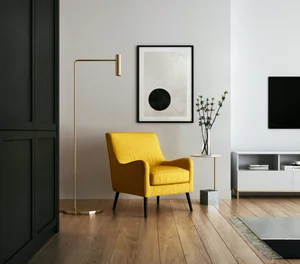
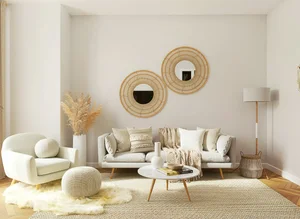
Two identical homes can create completely different impressions based on presentation alone. A home that's clean, well-lit, decluttered, and professionally photographed feels more valuable — and that feeling translates directly into stronger offers. The other home, with the same bones but a tired presentation, gives buyers reasons to hesitate or to offer less. Presentation isn't cosmetic; it's a lever on price.
This is one of the most controllable factors a seller has, and one of the highest-return. The difference between a home that photographs beautifully and one that doesn't is often just staging, lighting, and preparation — modest investments that shape the buyer's entire perception. The overview of whether staging is worth it covers where that spend pays off, and it's frequently what separates two otherwise-matching homes at closing.
Pricing and Timing Decide the Rest
Even between well-matched homes, pricing strategy and timing shape the outcome. A home priced accurately from day one draws the early attention that creates competition, while one priced too high burns its best window and ends up chasing the market downward. Two similar homes listed at different prices — or with different levels of pricing discipline — can finish thousands apart for that reason alone.
Market conditions at the moment of listing matter as well: inventory levels, buyer demand, and how many comparable homes are competing at the same time all shift the result. This is why the same home can perform differently depending on when and how it's brought to market, and why pricing can never be set by formula. For the two ends of that spectrum, the overview of what happens when a home is overpriced shows the downside, and getting the strategy right is what puts a home on the stronger side of the comparison.
FAQs
Q: Why do two similar homes sell for different prices?
A: Differences in condition, updates, layout, lot features, presentation, pricing, and timing all influence the final number. Two homes can match on square footage and room count yet sell far apart because buyers respond to how each home shows and compares, not just to the measurable specifications.
Q: Does presentation affect a home's sale price?
A: Yes. A clean, well-lit, well-staged, and professionally photographed home feels more valuable to buyers, which tends to produce stronger offers. Presentation is one of the most controllable and highest-return factors a seller has, and it often separates two otherwise-comparable homes at closing.
Q: Can timing alone change the sale price?
A: It can. Market conditions at the time of listing — inventory levels, buyer demand, and how many comparable homes are competing — all affect the result. The same home brought to market at different moments, or priced with different discipline, can finish at meaningfully different numbers.
Q: Do buyers pay more for move-in-ready homes?
A: Often, yes. Many buyers pay a premium for homes that feel updated, well maintained, and ready for immediate occupancy, because it spares them renovation work after closing. Between two similar homes, the move-in-ready one frequently draws stronger offers than the one needing work.
Q: How can a seller compare their home to others accurately?
A: A detailed market analysis is the clearest guide. It compares recent sales with similar size, condition, layout, and positioning, then accounts for the differences that affect value. That analysis is what turns a rough guess into an accurate read of where a specific home fits among its true competition.
Two similar homes rarely sell for the same price, and the gap usually isn't luck — it's the sum of condition, presentation, pricing, and timing, most of which a seller can influence before the sign goes up. Understanding what actually moves the number is what puts a home on the stronger side of the comparison. For anyone wanting to see where their own home fits among its real competition, a quiet look at current home values is a useful starting point, and talking it through anytime is welcome too.
By Eric Berman, REALTOR® | The Eric Berman Team at Compass
Eric Berman | Long Island & Queens REALTOR® | Compass
1468 Northern Blvd, Manhasset, NY 11030
(917) 225-8596 | eric@ericbermanteam.com | theericbermanteam.com