By Eric Berman, REALTOR®, SRES® | The Eric Berman Team at Compass
TL;DR:
Selling a home later in life is rarely just a transaction — it's often the end of decades in one place, tangled up with downsizing, family, and what comes next. The work is pacing the sale to the seller rather than the market, handling the parts that feel overwhelming, and bringing in the right professionals so the whole thing feels supported instead of rushed.
More Than a Transaction
For many older homeowners, the house being sold is the one they raised a family in, lived in for thirty or forty years, and filled with a lifetime. Selling it is a real estate transaction on paper, but it rarely feels like only that. There's the weight of the memories, the size of the task of sorting decades of belongings, and often a big open question about what comes next — a smaller place, a move closer to family, a different kind of living entirely.
That's why selling later in life deserves a different pace and a different kind of support than a typical sale. The goal isn't just a good price, though that matters — it's a process that feels calm, respectful, and under the seller's control, moving at a speed that fits them rather than the market's urgency. A senior who feels rushed or pressured is being poorly served, however good the number at the end.
This is the broad view of that work. Two specific paths branch off it: for a homeowner moving to something smaller and more manageable, the downsizing and transition planning work goes deeper; for a family settling a home after a loss, the estate sale guidance covers that specific and harder situation. What follows applies across all of it.
The Value of Working With an SRES®
There's a specific credential for this kind of sale, and it's worth understanding what it does and doesn't mean. The Seniors Real Estate Specialist (SRES®) designation reflects additional training in the particular needs of buyers and sellers over fifty — the financial, emotional, and logistical considerations that differ from a typical transaction.
What that training actually translates to is awareness: of the pace an older seller may need, of the way a lifetime home carries more than market value, of the professionals a senior sale often involves, and of the specific financial and tax questions that come up more often later in life. It's not a substitute for the professionals themselves — a specialist agent doesn't replace a senior's CPA, attorney, or financial advisor — but it means the real estate side is handled by someone who understands where those other advisors fit and when to bring them in.
The practical value is a calmer, better-coordinated process. A senior seller working with someone who does this regularly spends less energy managing the transaction and more on the decisions that actually matter to them.
Clarity First, at a Comfortable Pace
Most of the stress in any sale comes from uncertainty, and the antidote is clarity established early, without pressure to act on it before the seller is ready.
That begins with the real numbers: a clear-eyed read on what the home is worth in today's market, what the sale would cost, and what the net proceeds would actually be through a proper valuation and equity analysis. For a senior whose home is often their largest asset and a major part of funding whatever comes next, that number matters enormously — and knowing it early, with no obligation to move on it, tends to replace anxiety with a sense of control. Alongside it, an honest conversation about the timeline: there's no right speed, and a plan that gives the seller months to prepare is as valid as one that moves quickly.
This is also the stage where the right people should be at the table. Selling later in life often touches questions of capital gains, estate planning, and how the proceeds fit into a broader financial picture — and those belong to a CPA, an estate attorney, and a financial advisor, ideally involved early. The real estate side provides the property facts they need and coordinates around their guidance; it doesn't substitute for it. A senior seller is best served when their trusted advisors, and often their family, are part of the process from the start.
Preparing the Home Without the Overwhelm
The single most daunting part of an older person's sale is usually the house itself — decades of accumulated belongings, and a home that may not have been updated in years. Handled wrong, this is where the process becomes exhausting. Handled right, it's manageable.
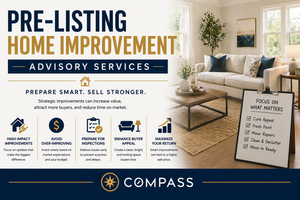
The key is restraint and pacing. Not every home needs renovation before selling — often the right move is identifying the few improvements that genuinely matter and skipping the rest, so the seller isn't dragged through a disruptive project late in life for little return. The pre-listing preparation work applies here, deliberately scaled down: the smallest set of changes that positions the home well, done at a pace that doesn't overwhelm. The decluttering and sorting — the emotionally hardest part — can happen gradually, with trusted vendors and help brought in where they lighten the load rather than add strangers and chaos.
The measure of success here is readiness, not perfection. A home that shows honestly and well, prepared without exhausting the person who lived in it, is the goal — not a gut renovation that serves the sale more than the seller.
A Gentle Sale Process
Once the home is on the market, the process itself can be structured to respect the seller's comfort and routines rather than disrupting them.
That means showings handled with care — reasonable windows, advance notice, and respect for the seller's daily life, rather than a constant stream of intrusions. It means pricing the home correctly from the start, because the right price attracts serious buyers early and avoids the drawn-out, stressful pattern of a listing that sits and takes repeated reductions — a calm sale is very often a well-priced one. And it means offer decisions explained clearly and without pressure, with attention to more than the top-line number: for many senior sellers, certainty and an easy, flexible closing are worth as much as a marginally higher price, and understanding those trade-offs is part of choosing well.
Throughout, the principle is that the process adapts to the seller, not the reverse. Clear communication at each step, no pressure to decide faster than is comfortable, and a steady hand on the parts that feel complicated — that's what turns a sale that could feel overwhelming into one that feels supported.
What This Service Covers
The full arc of selling a home later in life, paced and supported for the seller rather than the market. It starts with clarity established early and pressure-free: an honest valuation, a real net-proceeds picture, and a timeline built around the seller's comfort — with the encouragement to bring in family and trusted advisors from the start.
Coordination with the professionals a senior sale involves: providing the property facts a CPA, estate attorney, and financial advisor need, and working around their guidance on the tax, estate, and financial questions that are theirs to answer. Preparation scaled deliberately down — the few improvements that matter, gradual decluttering with trusted help, readiness over perfection. And a gentle sale process: careful showing management, correct pricing to avoid a drawn-out listing, and offer decisions explained without pressure, weighing certainty and ease alongside price.
For the two specific paths within senior selling, the deeper resources: downsizing and transition planning for a move to something smaller, and estate sale guidance for a family settling a home after a loss.
What this service does not include is tax, legal, or financial advice — capital gains, estate planning, and how proceeds fit a broader plan belong to the CPA, attorney, and advisor. Eric handles the real estate, brings the SRES® understanding of how it all fits together, and makes sure the right people are involved. The house is the part made calm; the rest is coordinated with those equipped for it.
How This Usually Plays Out
A common version, handled with care: a longtime widow or widower, decades in the same home, adult children scattered and worried, and a sale that feels impossibly large to face — the belongings, the memories, the not-knowing-where-to-start. What changes it is pacing and support: an early, no-pressure valuation that clarifies what's financially possible, a gradual clean-out with help brought in, the children looped in from the beginning, and a timeline measured in comfortable months rather than frantic weeks. The sale that felt overwhelming becomes a series of manageable steps, and the seller stays in control of every one.
The other version is the rushed decision that good process prevents. A senior seller, eager to have it over with or pushed by someone with their own agenda, moving faster than is wise — underpricing, skipping the advisors who should be involved, or accepting the first offer without weighing it. The protection here is structure and the right people at the table: family, a CPA, an attorney, an agent who slows things down rather than speeds them up. Later-life sales deserve more deliberation, not less, and the role is to make room for it.
FAQs
How can a senior sell a home without feeling overwhelmed?
Through pacing and support: clarity established early with no pressure to act, the hardest parts (like decades of belongings) handled gradually with trusted help, and family and advisors involved from the start. The process should adapt to the seller's comfort and routines rather than the reverse. Working with an agent experienced in senior sales keeps the transaction from becoming the exhausting part.
What does the SRES® designation mean?
Seniors Real Estate Specialist — a designation reflecting additional training in the needs of buyers and sellers over fifty, including the financial, emotional, and logistical considerations that differ from a typical sale. It doesn't replace a senior's CPA, attorney, or financial advisor, but it means the agent understands where those professionals fit and coordinates the real estate side around their guidance.
Does a senior need to renovate before selling?
Usually not. The better approach is identifying the few improvements that genuinely matter and skipping the rest, rather than putting an older seller through a disruptive renovation for little return. Decluttering can happen gradually with help. The goal is readiness, not perfection — a home that shows honestly and well, prepared without exhausting the person selling it.
What tax and financial questions come up when selling later in life?
Several that matter — the capital gains exclusion on a primary residence, step-up in basis on an inherited home, and how the proceeds fit a broader retirement or estate plan. These are important and they belong to a CPA, estate attorney, and financial advisor, ideally involved early. The real estate side provides the facts they need and coordinates around their advice rather than giving it.
How are showings and the sale handled for a senior seller?
With care for comfort and routine: reasonable showing windows, advance notice, correct pricing so the home doesn't sit through a drawn-out listing, and offer decisions explained clearly and without pressure. For many senior sellers, certainty and a flexible, easy closing matter as much as the top-line price, and weighing those trade-offs is part of choosing the right offer.
Supported, Every Step
Selling a home later in life should feel steady, respectful, and under the seller's control — paced to them, with the overwhelming parts made manageable and the right people at the table. Handled that way, the home becomes one thing that's taken care of gently, while the seller focuses on what comes next.
There's no right timeline, and no pressure to have one. A quiet home valuation is a low-key first step whenever the time feels right, and the conversation — with family and advisors welcome in it — is here at whatever pace suits. For the specific paths, the downsizing and estate sale resources go deeper.
By Eric Berman, REALTOR®, SRES® | The Eric Berman Team at Compass
Eric Berman | Long Island & Queens REALTOR® | Compass
1468 Northern Blvd, Manhasset, NY 11030
(917) 225-8596 | eric@ericbermanteam.com | theericbermanteam.com